Call now: (424)278-4325, or CONTACT US by email
Office Hours : Mon-Fri 8am - 6pm, Sat 8am - 12pm

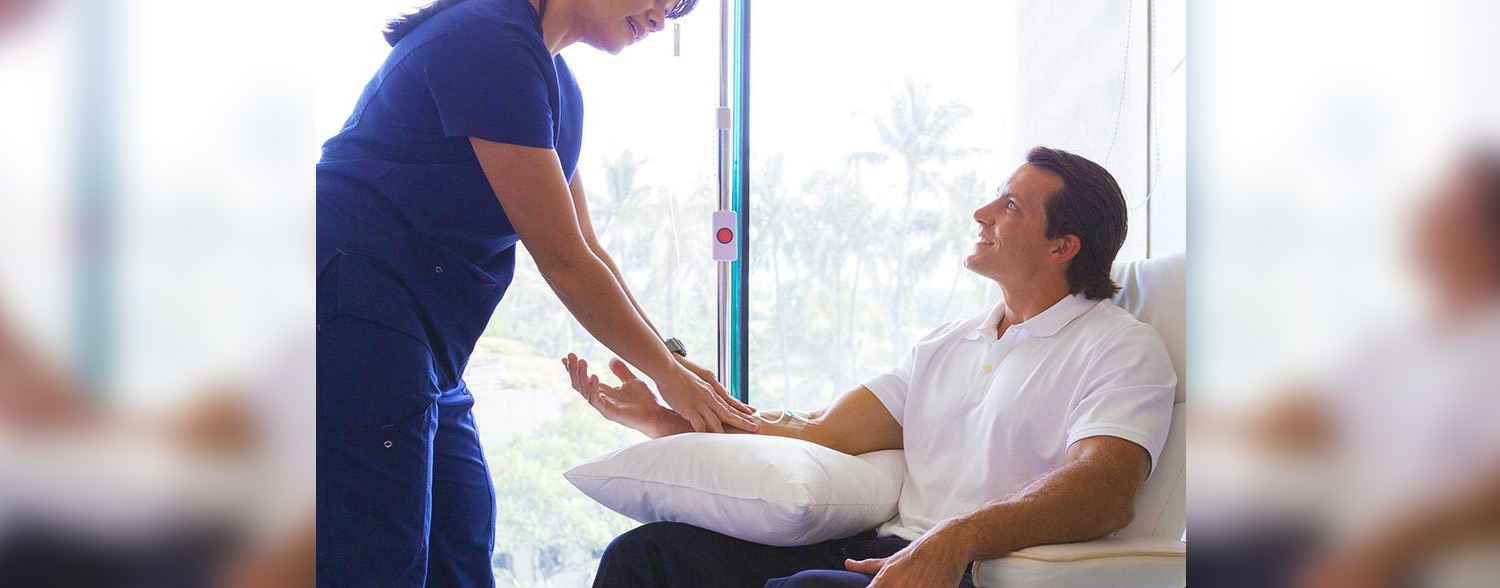
 Therapeutic plasma exchange (TPE) is a medical procedure that filters and replaces a patient’s plasma to remove toxins, inflammatory compounds, and harmful proteins. Used in integrative and functional medicine, TPE shows promise for chronic conditions including Alzheimer’s disease, autoimmune disorders, Lyme disease, mold illness, and environmental toxin burden—typically requiring multiple outpatient sessions of 2–4 hours each.
Chronic disease rarely has a single cause. Years of accumulated toxin exposure, persistent inflammation, immune dysregulation, and cellular aging create a complex web that no single supplement or medication can fully untangle. That’s precisely why integrative practitioners are turning to more comprehensive interventions—and therapeutic plasma exchange is emerging as one of the most compelling.
Therapeutic plasma exchange (TPE), also called therapeutic plasmapheresis, is a procedure that physically removes and replaces a patient’s plasma—the liquid portion of blood responsible for transporting proteins, antibodies, inflammatory compounds, and circulating toxins. By exchanging this plasma, TPE gives the body a kind of biochemical reset, clearing burdens that have accumulated over months or years.
At Vitality Integrative Medicine, led by Dr. Jeremy Fischer, N.D., TPE is offered not as a standalone treatment, but as part of a broader, individualized approach to chronic disease management, anti-aging, and longevity optimization. It sits alongside therapies like IV nutrition, ozone therapy, chelation therapy, and bioidentical hormone replacement—each chosen based on the patient’s unique clinical picture.
This article explores how TPE works, what conditions it may benefit, and how it fits into an integrative medicine framework designed to treat the root causes of chronic illness.
TPE is a form of extracorporeal blood purification. During the procedure, blood is drawn from the patient and passed through a machine that separates plasma from the cellular components—red blood cells, white blood cells, and platelets. The plasma, which contains the substances targeted for removal, is discarded. The cellular components are then returned to the patient along with a replacement fluid.
At Vitality Integrative Medicine, albumin is used as the replacement fluid. Albumin is a plasma protein naturally produced by the liver and plays a critical role in maintaining oncotic pressure, transporting molecules throughout the body, and binding toxins. Using albumin as the replacement fluid not only restores plasma volume but may also help bind and facilitate the clearance of residual harmful compounds.
Each TPE session typically takes 2–4 hours and is performed on an outpatient basis. Multiple sessions are generally required, with frequency and total number of sessions determined by the patient’s condition, their response to treatment, and the clinical goals being pursued.
It’s important to clarify what TPE is—and isn’t—used for at practices like Vitality Integrative Medicine.
Conventionally, plasmapheresis has been used in acute, life-threatening conditions such as Guillain-Barré syndrome, thrombotic thrombocytopenic purpura (TTP), and myasthenia gravis. In those contexts, rapid removal of pathological antibodies or proteins is critical.
The integrative and functional medicine application of TPE is different. Here, TPE is applied to chronic, complex conditions where the plasma has become burdened over time—with environmental toxins, inflammatory mediators, senescent proteins, and immune complexes that contribute to ongoing dysfunction. The goal is not emergency intervention but sustained reduction in the underlying biological burden that drives chronic illness and accelerated aging.
This distinction matters. Patients seeking TPE at an integrative practice like Vitality Integrative Medicine are typically managing long-term health challenges—not acute medical emergencies.
Modern life comes with an unavoidable toxic burden. Heavy metals, microplastics, per- and polyfluoroalkyl substances (PFAS), mycotoxins from mold exposure, pesticides, and other persistent organic pollutants accumulate in plasma over time. Many of these compounds bind to plasma proteins—particularly albumin—which is precisely why plasma exchange is an effective removal strategy.
Unlike chelation therapy, which targets specific metals through binding agents, TPE removes a broad range of plasma-bound toxins simultaneously. At Vitality Integrative Medicine, TPE can be used alongside chelation therapy to provide a more comprehensive approach to toxic burden reduction.
Chronic inflammation is a driver of nearly every major degenerative disease—from cardiovascular disease and diabetes to neurodegeneration and autoimmunity. Plasma carries many of the molecules responsible: pro-inflammatory cytokines (such as IL-6, TNF-alpha, and IL-1β), complement proteins, immune complexes, and acute phase reactants.
By physically removing these compounds from circulation, TPE reduces the systemic inflammatory load. This can create a physiological environment more conducive to healing, immune regulation, and tissue repair—particularly when combined with other anti-inflammatory protocols.
This is one of the most clinically significant areas of TPE research. The AMBAR trial (Alzheimer’s Management By Albumin Replacement), published in Alzheimer’s & Dementia (2020), studied TPE with albumin replacement in patients with mild-to-moderate Alzheimer’s disease. The trial found that patients receiving TPE showed a statistically significant slowing of cognitive and functional decline compared to placebo controls.
The proposed mechanism centers on the role of albumin in binding amyloid-beta, a protein implicated in Alzheimer’s pathology. Approximately 90% of amyloid-beta in the body is found in the blood, bound to albumin. By exchanging old, oxidized albumin with fresh albumin, TPE may reduce the peripheral amyloid-beta pool and support its clearance from the brain via the blood-brain barrier gradient.
For patients managing early cognitive decline or with a strong family history of Alzheimer’s, TPE represents a meaningful intervention worth exploring within a comprehensive brain health protocol.
Research on plasma exchange in the context of aging has gained significant momentum. Studies using animal models, including work published by researchers at University of California, Berkeley, demonstrated that replacing old plasma with young plasma or albumin solutions reversed age-related markers in muscle, liver, and brain tissue.
In human applications, TPE has been associated with reductions in inflammatory biomarkers, improvements in lipid profiles, and changes in proteins associated with biological aging. At Vitality Integrative Medicine, TPE forms a natural extension of the practice’s anti-aging and longevity protocols, complementing hormone optimization, ozone therapy, and nutritional IV therapies.
Autoimmune diseases are driven, in part, by circulating autoantibodies and immune complexes that target the body’s own tissues. TPE removes these pathological antibodies from plasma, reducing their concentration and the inflammatory damage they cause.
Conditions including multiple sclerosis, lupus, rheumatoid arthritis, and inflammatory bowel disease involve immune dysregulation that TPE may help modulate. While TPE is not a cure for autoimmune disease, it can serve as an important adjunct to other immune-modulating therapies, particularly during periods of active disease burden.
Chronic Lyme disease, mold-related illness (CIRS—Chronic Inflammatory Response Syndrome), and post-viral syndromes like long COVID share a common thread: a persistent state of immune activation and toxin accumulation that conventional treatments often fail to fully address.
In Lyme disease, for example, bacterial toxins and immune complexes persist in the plasma long after antibiotic treatment. Mold illness involves circulating mycotoxins that bind to plasma proteins. Post-viral syndromes are associated with elevated inflammatory cytokines and immune dysfunction that can linger for months or years.
TPE addresses each of these burdens directly. At Vitality Integrative Medicine, Dr. Fischer has experience treating Lyme disease and complex chronic illness. TPE can be integrated into these treatment plans as a plasma-cleansing complement to antimicrobial, antifungal, and immune-support therapies.
Cardiovascular disease is fundamentally an inflammatory condition. Oxidized LDL, lipoprotein(a), fibrinogen, and inflammatory cytokines—all plasma-based components—drive the progression of atherosclerosis and metabolic dysfunction. TPE can reduce the circulating levels of these compounds, potentially supporting cardiovascular and metabolic health as part of a broader treatment plan.
TPE at Vitality Integrative Medicine is considered for patients managing a range of chronic and complex conditions, including:
Not every patient with these conditions will be a candidate for TPE. A thorough evaluation with Dr. Fischer is essential to determine whether TPE is appropriate, and how it fits within the individual’s overall treatment plan.
Patients considering TPE often want to understand the practical reality of the experience. Here is what the process typically involves at Vitality Integrative Medicine:
Before the procedure: Dr. Fischer will conduct a comprehensive evaluation, including review of relevant labs, health history, and current treatments. A personalized treatment plan—including the number and frequency of sessions—will be outlined based on the patient’s condition and goals.
During the procedure: The patient sits comfortably while blood is drawn through an IV line. The blood is processed through a plasmapheresis machine, which separates and removes the plasma. The red blood cells, white blood cells, and platelets are returned to the patient along with fresh albumin as the replacement fluid. Each session takes approximately 2–4 hours. Patients can read, work, or relax during the session.
After the procedure: Most patients tolerate TPE well. Some may experience mild fatigue following a session. Dr. Fischer will monitor patient response and adjust the treatment schedule accordingly.
Multiple sessions are typically required to achieve meaningful clinical results. Frequency varies depending on the condition being treated and how the patient responds to initial sessions.
TPE is a well-established medical procedure with a documented safety profile when performed by trained clinicians. Potential side effects include:
Using albumin as the replacement fluid—rather than fresh frozen plasma—reduces the risk of allergic reactions and the transmission of bloodborne pathogens. Dr. Fischer carefully screens each patient prior to initiating TPE to ensure it is both safe and appropriate for their circumstances.
Vitality Integrative Medicine does not offer TPE in isolation. Dr. Fischer’s approach is rooted in identifying and addressing the root causes of chronic disease—and TPE is one tool in a comprehensive therapeutic toolkit.
For a patient with Lyme disease and heavy metal burden, TPE may be combined with chelation therapy to target metals that are both plasma-bound and intracellular. For a patient with cognitive decline and elevated inflammatory markers, TPE may be integrated with ozone therapy, nutritional IV infusions, and hormone optimization to support neurological health from multiple angles. For a patient focused on longevity, TPE may be part of a broader anti-aging protocol that includes bioidentical hormones and advanced lab testing.
This integrative model—where each therapy amplifies the others—is what distinguishes the care at Vitality Integrative Medicine from practices offering TPE as a one-size-fits-all solution.
TPE is not appropriate for every patient, and it is not a substitute for foundational health practices. However, for patients carrying a significant chronic disease burden—whether from accumulated toxins, persistent inflammation, autoimmune activity, or neurodegenerative changes—it represents a genuinely powerful option.
If you are managing a chronic condition that has not fully responded to conventional treatment, or if you are proactively pursuing longevity and cognitive health optimization, TPE may be worth exploring as part of your personalized care plan.
To find out whether therapeutic plasma exchange is appropriate for your situation, schedule a consultation with Dr. Jeremy Fischer at Vitality Integrative Medicine. Call (424) 278-4325 to speak with our team. Office hours are Monday through Friday, 8 a.m. to 6 p.m., and Saturday, 8 a.m. to 12 p.m.
The two terms are often used interchangeably. Plasmapheresis broadly refers to any procedure that separates plasma from blood. Therapeutic plasma exchange (TPE) is a specific form of plasmapheresis in which the removed plasma is replaced with a substitute fluid—typically albumin—rather than simply being returned to the patient.
The number of sessions varies by condition and individual response. Some patients begin to notice changes after two to four sessions, while others require a more extended protocol. Dr. Fischer establishes a personalized treatment schedule based on each patient’s goals and clinical findings.
Yes. At Vitality Integrative Medicine, TPE is designed to complement—not replace—other treatments. It is commonly used alongside IV therapy, chelation therapy, ozone therapy, and hormone optimization, depending on the patient’s needs.
Patients with severe bleeding disorders, hemodynamic instability, or active infections may not be appropriate candidates. A thorough pre-treatment evaluation with Dr. Fischer will determine whether TPE is safe and suitable for each individual patient.
No. Dialysis filters waste products from the blood in patients with kidney failure, targeting small molecules. TPE targets the plasma itself—removing larger molecules such as antibodies, inflammatory proteins, and toxin-protein complexes. The procedures use different mechanisms and serve different clinical purposes.

Call now: (424)278-4325, or CONTACT US by email
Office Hours : Mon-Fri 8am - 6pm, Sat 8am - 12pm
To schedule an appointment with Dr. Fischer,